


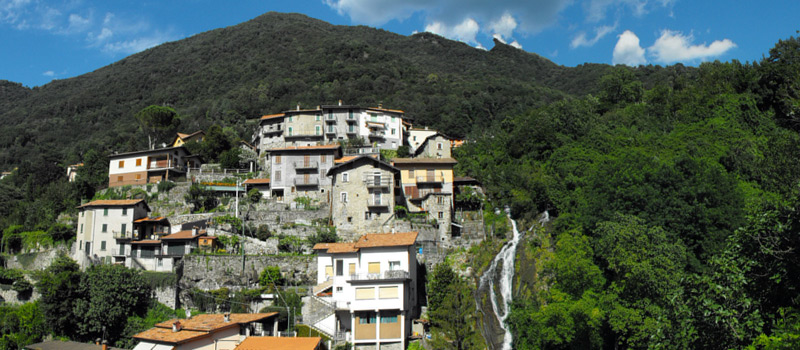
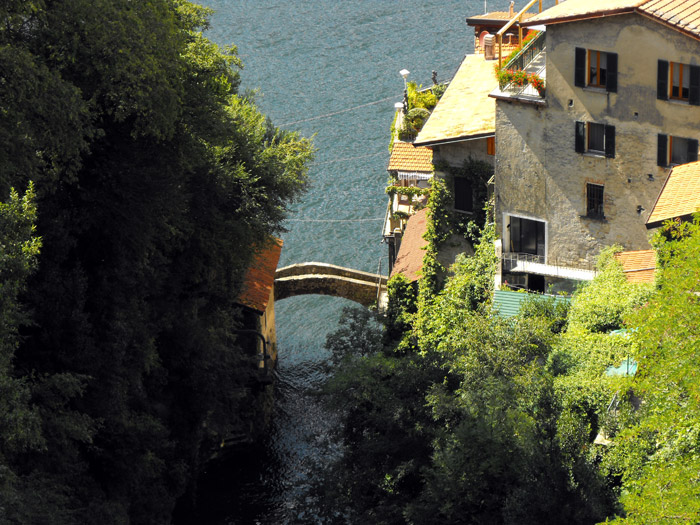
The Nesso Ravine can be seen from Piazza Castello or from the Medieval bridge, also called the bridge of Civera, on the shore of lake Como.
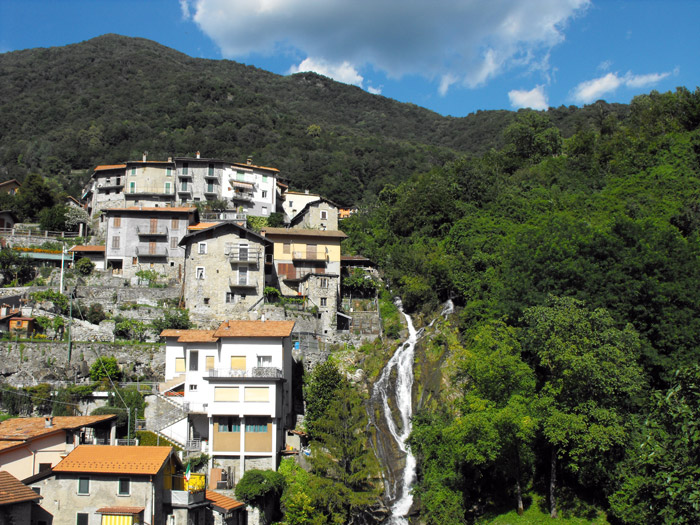
The Ravine is formed by the merging of the two torrents: Tuf and Nosè, which crashing through the rock, form a steep waterfall; the drop from the beginning of the waterfall to the waters of lake Como is circa 200 meters, a route through deep, narrow ravines formed by the incessant flow of the waters.
Throughout the centuries, the power of the Ravine's water was used by factories and works for producing driving forces; the Ravine was of vital importance for the town of Nesso in the development of the manufacturing industry - grain mills, paper mills, oil mills, spinning wheels - all fed by the waterfall's hydraulic energy.
The Nesso Ravine had even caught Leonardo da Vinci's attention - we can find a quote: Nesso, land where a river falls with great surge, through a great fissure in the mountain. Taken from The Codex Atlanticus.
The Ravine was cited and depicted by many artists, among which Federico e Carolina Lose in one of the famous aquatints in the 18th and 19th centuries, when lake Como drew cultural personalities from all over the word. Writer Giambattista Bazzoni set his novel Falco della Rupe or Guerra di Musso of 1829, in these very areas.
The Mountain Community Triangolo Lariano plans to propose to the Lombardy Region that the Nesso Ravine be named a Natural Monument.
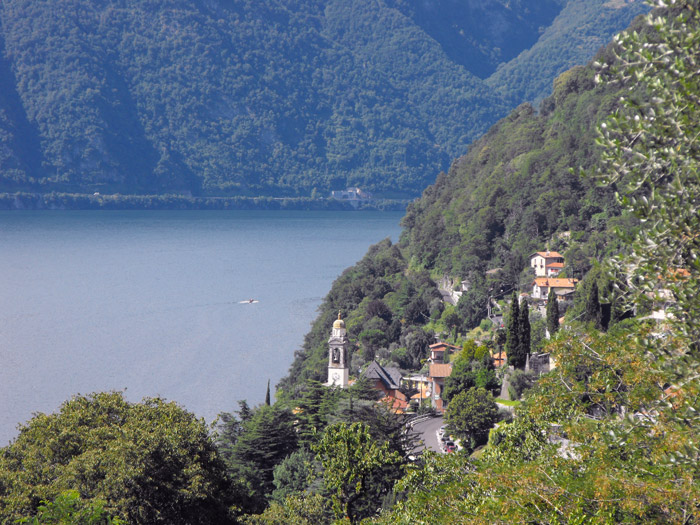
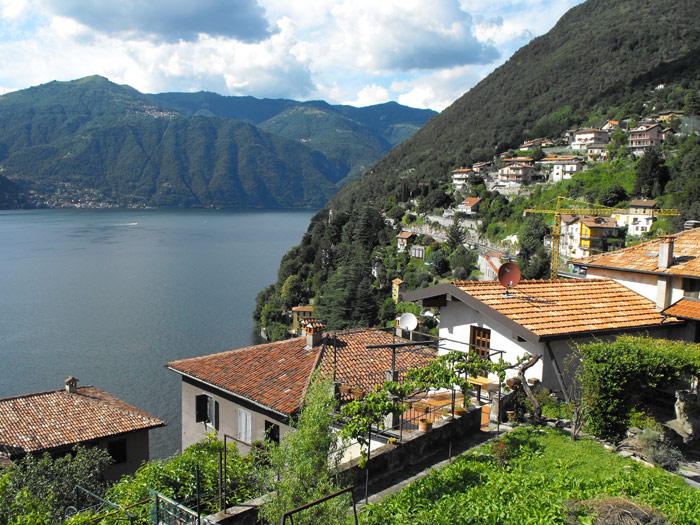
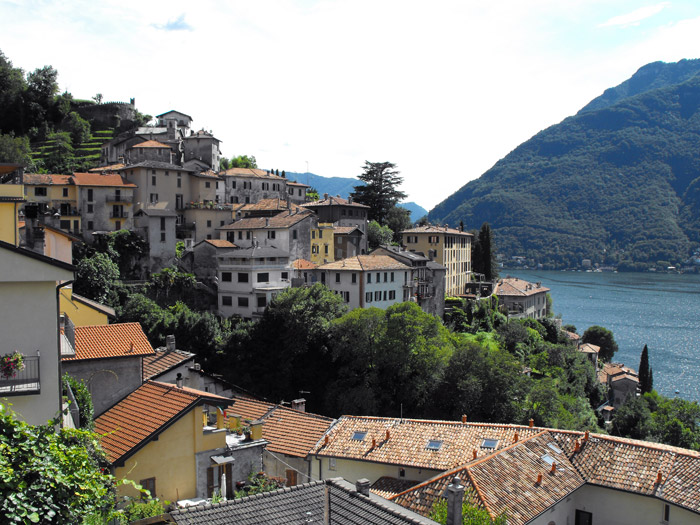
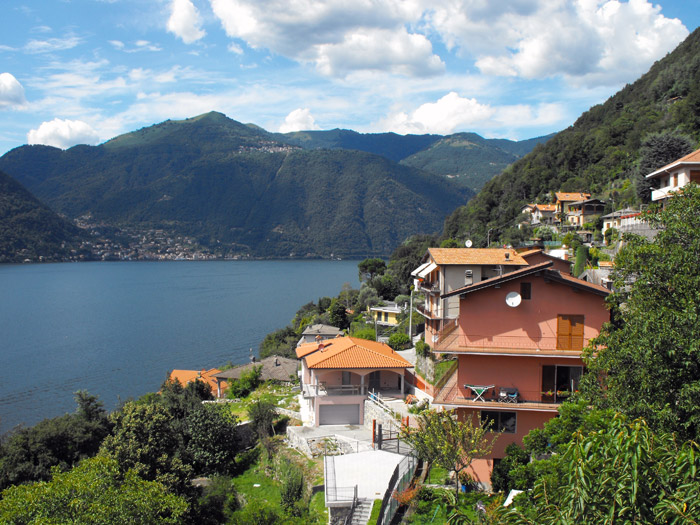
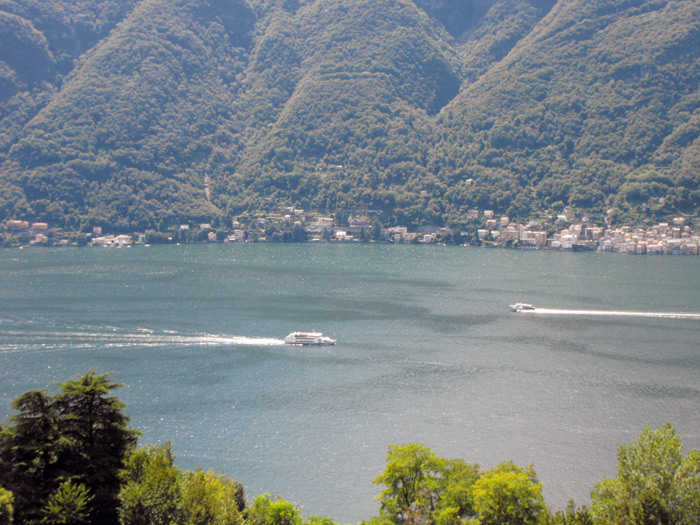
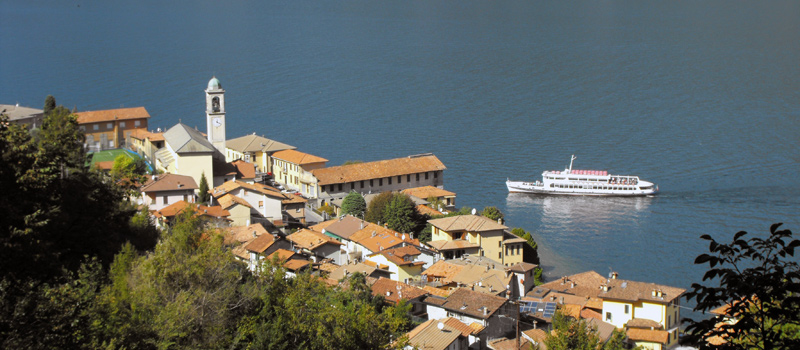
Lezzeno stands on the western shore of Lake Como, is also famous for a gastronomic specialty: Missoltini, fresh water fish (shad) - sun dried and grilled. There are many artisan businesses, from the ship yards to car mechanics.
Lezzeno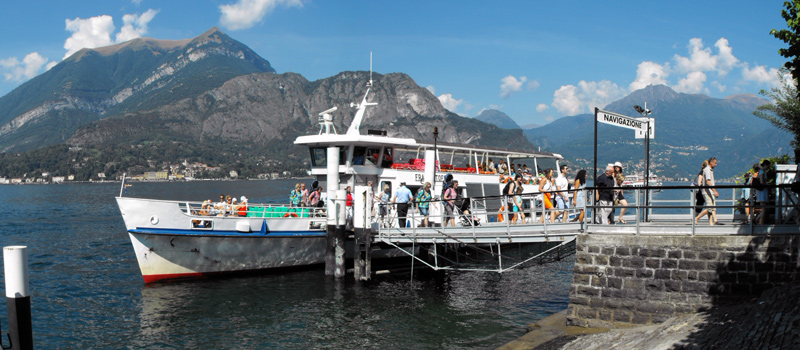
Various theme cruises are organized by the Lake Navigation Management, besides the normal lake navigation service, in July and August, it is possible to take a cruise on the Concordia with restaurant service.
Navigation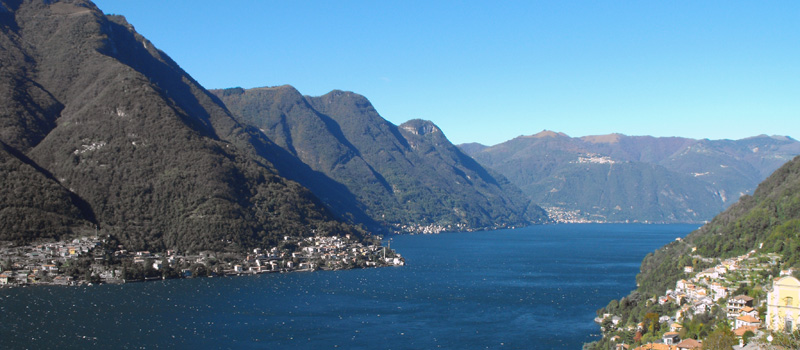
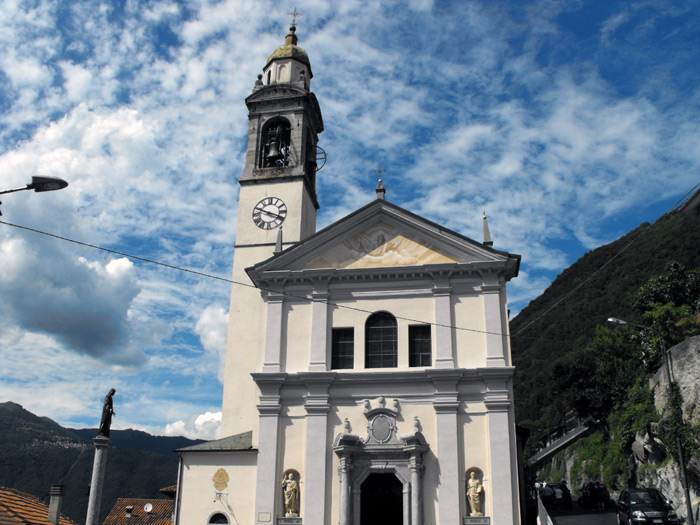
Pognana Lario was once famous for its Moltrasio stone mines, this building stone, used by the Masters of Comacini, is characterized by gray-blue streaks. It's a must to visit the church of San Miro, situated in the hamlet of Rovasco.
Pognana Lario
 The Strada Regia