The Golden Age of Steam: Lake Como Navigation (1826–1900)
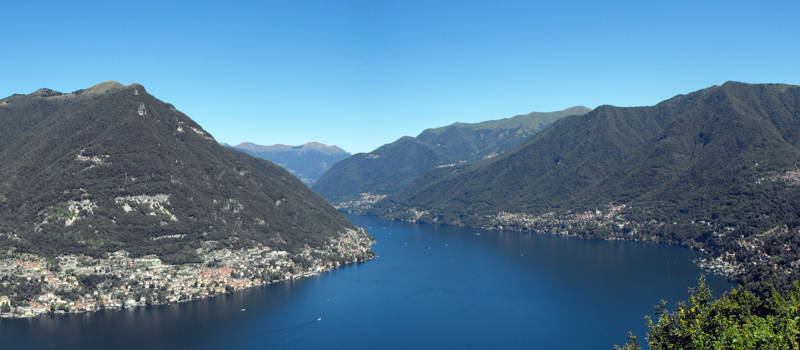
Civil navigation on Lake Como—defined by scheduled services and public ticketing—began in the early 19th century, transforming the lake from a local transit route into a world-class travel destination.
1826: The Dawn of Steam
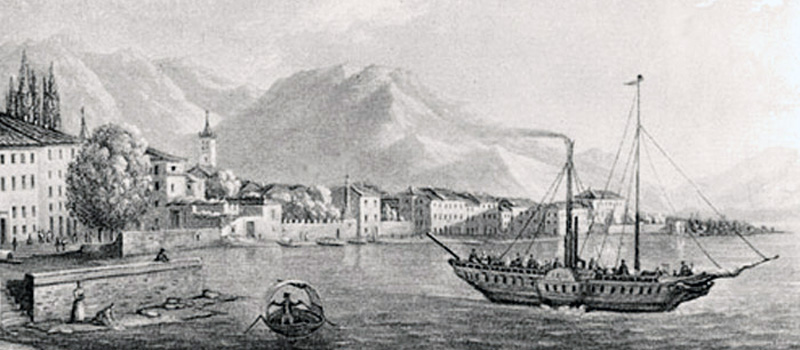
On July 29, 1826, at 6:00 PM, a milestone in Italian maritime history occurred at Olmo Beach in Borgo Vico, Como. The Lario, the lake's first steamship, was launched. It featured a wooden hull, paddlewheels, and a 12-horsepower Fulton Watt double-action steam engine.
- First Routes: By August 16, the Lario established daily service between Como and Domaso.
- Expansion: On September 9, 1826, a second vessel, the Plinio, was launched to serve the Lecco-Domaso line.
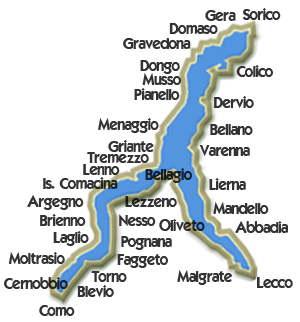
- Early Logistics: Interestingly, the two ships would meet off the tip of Bellagio, where passengers transferred between vessels using mobile walkways.
Consolidation and Competition
The mid-1800s saw intense rivalry between shipping companies. In 1835, the steamboat Otello—previously used on the Po River—was brought to the lake by Duke Carlo Visconti di Modrone. To end the fierce competition, the Società Lariana di Navigazione a Vapore (Larian Steamboat Navigation Company) was founded on April 21, 1846, led by Count Giovanni Pietro Porro.
The Rise of the Great Paddlewheelers
As technology advanced, the fleet grew in power and elegance, transitioning from wood to iron hulls:
- The Adda (1851): Launched with a 32-horsepower engine.
- The Italia (1865): A powerhouse for its time, featuring a 300-horsepower engine built in Zurich. That same year, older vessels like the Falco and Veloce were retired.
- Iron Hull Pioneers (1872–1873): The legendary Lariano and Volta (400 hp) were launched, followed by the Lombardia in 1873.
A Modern Fleet for the Turn of the Century
By 1890, after various corporate mergers, the Lariana fleet consisted of 14 steamboats and one tugboat. These weren't just transport vessels; they were floating masterpieces of the Belle Époque, featuring elegant lounges and full restaurant services. These fast ships created a sophisticated network connecting the major railway hubs of Como, Lecco, Menaggio, and Colico, making the lake accessible to the first great wave of international tourists.

Lake Como
 Val Perlana Loop Hike
Elev: 630 m / 2,066 ft ↑
 The Rogolone Giant Oak
Elev: 270 m / 885 ft ↑
 Pigra - Mount Costone
Elev: 910 m / 2,985 ft ↑
 Sasso di San Martino
Elev: 780 m / 2,560 ft ↑
View All Lake Como Hikes