The House Museum: A Journey Through Art and History
The interior rooms and decorations of Villa Monastero are masterfully modeled after Baroque and German Rococo styles, largely due to the architectural vision of Walter Kees between 1897 and 1909. A standout feature of his work is the monumental Scalone (Grand Staircase), which elegantly connects the ground floor to the upper level. The villa’s furnishings further reflect its eclectic history, showcasing a rich variety of Neo-Renaissance, Neo-Rococo, Art Nouveau (Liberty), Mannerist, and Baroque influences.
The magnificent rooms of Villa Monastero
Among the most notable halls within the House Museum are:
- The Council Room: Originally known in early 20th-century inventories as the Sala Verde (Green Room), likely named for the distinctive hue of its original upholstery and draperies.
- The Kennedy Room: This was the private quarters of Carlotta Kees, wife of the villa’s penultimate owner. The beautifully painted ceiling and ornate flooring are exquisite examples of 19th-century craftsmanship.
- The Mornico Sitting Room: Once the private library of the Mornico family during the 1700s, this room is now elegantly furnished with pieces belonging to Marco De Marchi.
- The Red Room: Named for its vibrant Neo-Rococo décor, this space served as a grand reception hall during the Kees family’s residency.
- The Black Room: Located on the ground floor and used as an entertainment suite, it earned its name from the dark, sophisticated furnishings and rugs that defined its 19th-century aesthetic.
- The Fermi Conference Room: Now a premier lecture hall, it is dedicated to the world-renowned physicist Enrico Fermi, who taught here in 1954 during courses organized by the University of Milan.

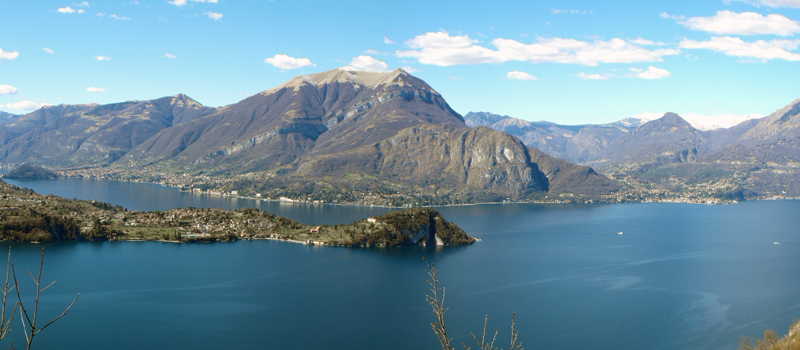
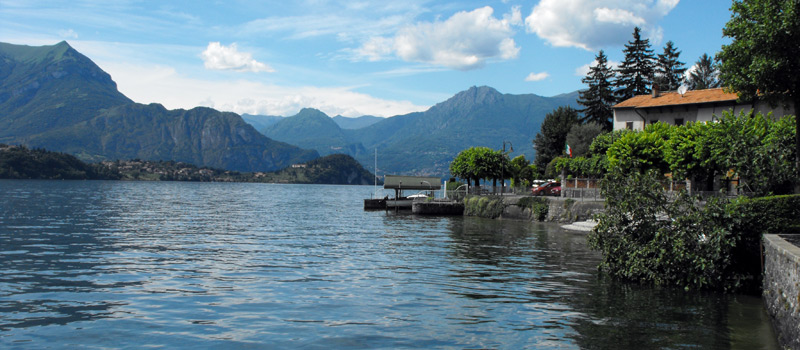
Varenna Lake Como
 Wayfarer's Stage 2 - Low
Dist: 9.2 km / 5.7 mi
Elev: 820 m / 2,690 ft ↑
Elev: 820 m / 2,690 ft ↑
Wayfarer's Stage 2 - High
Dist: 10.2 km / 6.3 mi
Elev: 1,010 m / 3,310 ft ↑
Elev: 1,010 m / 3,310 ft ↑
 Dervio - Camaggiore Loop
Dist: 15.4 km / 9.5 mi
Elev: 1,050 m / 3,444 ft ↑
Elev: 1,050 m / 3,444 ft ↑
 Zucco di Sileggio Loop
Dist: 12 km / 7.5 mi
Elev: 1,180 m / 3,870 ft ↑
Elev: 1,180 m / 3,870 ft ↑
View All Lake Como Hikes